Museum gift shops have evolved far beyond simple postcard racks and generic souvenirs. Today, they are treasure troves of creativity, offering tangible, high-quality pieces that allow visitors to take a piece of history, art, and culture home with them. These cultural and creative products, or "wenchuang" as they are known in China, have become a global phenomenon, with institutions competing to create the most innovative, desirable, and sometimes whimsical items that reflect their most prized collections. This guide delves into the fascinating world of these must-have collectibles, highlighting standout examples from renowned museums across the globe.
Walking through the hallowed halls of the British Museum in London, one is surrounded by millennia of human history. The gift shop mirrors this depth, but one item stands out as a true emblem of the institution: high-quality replicas of the Lewis Chessmen. Discovered on a Scottish island in the early 19th century, these 12th-century walrus ivory chess pieces are instantly recognizable for their expressive, often grumpy, faces. The museum's meticulous replicas, available in various materials from affordable resin to fine polished stone, allow collectors to own a piece of this iconic set. They are more than just a game; they are a conversation piece, a stunning decorative object, and a direct link to medieval European society and its artisanship.
Across the channel, the Louvre in Paris offers a different kind of treasure. While miniature versions of the glass pyramid are ubiquitous, the most sought-after items are those inspired by its most famous resident, Leonardo da Vinci's Mona Lisa. Beyond the typical posters, the Louvre has collaborated with high-end designers to create a range of exceptional products. Think luxurious silk scarves printed with the enigmatic landscape from behind the portrait, or exquisite jewelry featuring subtle details from the painting. These items translate an inaccessible masterpiece into a personal and wearable art form, capturing its mystery and elegance without resorting to kitsch.
In New York, the Metropolitan Museum of Art possesses a collection so vast that its cultural and creative offerings are equally diverse. However, one product line consistently achieves cult status: accessories and home goods based on historic armor from The Met's Arms and Armor court. The intricate engravings, fierce motifs, and powerful silhouettes of 15th and 16th-century European plate armor have been stunningly adapted into items like notebooks with embossed covers resembling gauntlets, ties and pocket squares printed with detailed patterns from breastplates, and even cocktail shakers shaped like helmets. These products masterfully blend historical martial artistry with modern design, appealing to history buffs and fashion-forward individuals alike.
Meanwhile, the Uffizi Gallery in Florence, the heart of the Italian Renaissance, draws directly from its unparalleled collection of master paintings. Their standout文创 products are often faithful reproductions of artworks on unexpected mediums. For instance, they offer a line of ceramic dinnerware where plates and bowls are adorned with high-resolution, food-safe prints of Botticelli's Primavera or Raphael's portraits. Enjoying a meal from a plate featuring a detail from a great masterpiece provides a uniquely intimate and daily connection to the art, transforming a mundane activity into an aesthetic experience. It is a brilliant way to integrate sublime beauty into everyday life.
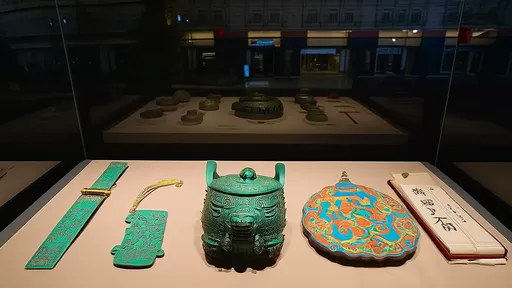
In Asia, the National Palace Museum in Taipei has set a global standard for innovative cultural products derived from ancient Chinese artifacts. Their most famous creation is arguably the "Chilled Pork-shaped Stone" heat pad. This ingenious item is inspired by a Qing Dynasty jadeite carving that looks astonishingly like a piece of braised pork belly—a popular Taiwanese dish. The heat pad, which you microwave and use to soothe aches, is a perfect replica of this quirky artifact. It demonstrates a phenomenal sense of humor and cultural touch, bridging a gap between a revered imperial collection and contemporary pop culture and practicality. It became an instant sensation and a benchmark for thinking outside the box.
Similarly, the Palace Museum in Beijing, within the Forbidden City, has undergone a cultural and creative revolution. Leveraging the immense symbolism of the imperial court, their products range from the majestic to the adorable. A top collector's item is stationery and accessories featuring the "imperial cats." The Forbidden City is home to many descendants of palace cats, and the museum has personified them in designs based on historical paintings. You can find notebooks, keychains, and figurines of these cats depicted in tiny imperial robes. This approachable and cute branding makes the often-intimidating history of the emperors charming and accessible, especially to younger audiences, while maintaining a firm foundation in the museum's reality and history.
Japan's approach often emphasizes minimalist aesthetics and supreme quality. The Tokyo National Museum, for instance, offers文创 that focuses on the subtle beauty of its national treasures. Exceptional reproductions of traditional textiles used in Noh theater costumes or samurai attire are available as small fabric swatches framed for display or incorporated into elegant accessories like clutches and wallets. The emphasis is on the material, the weave, and the dyeing technique, allowing one to appreciate the craftsmanship of a bygone era in a modern context. It is a quiet, refined form of collection that values texture and tradition over flamboyant design.
The phenomenon of museum cultural and creative is more than a revenue stream; it is a vital extension of the museum's educational mission. A well-designed product can spark curiosity, create a lasting emotional connection to a cultural artifact, and serve as a daily reminder of a museum visit. For collectors, these items represent a growing field of interest where value is found not in precious materials, but in design ingenuity, cultural significance, and the storytelling power of an object. The best pieces are those that resonate on a personal level, offering a unique blend of history, art, and functionality that cannot be found anywhere else.
By /Aug 22, 2025

By /Aug 22, 2025

By /Aug 22, 2025
By /Aug 22, 2025
By /Aug 22, 2025

By /Aug 22, 2025

By /Aug 22, 2025

By /Aug 22, 2025
By /Aug 22, 2025
By /Aug 22, 2025
By /Aug 22, 2025

By /Aug 22, 2025

By /Aug 22, 2025

By /Aug 22, 2025
By /Aug 22, 2025

By /Aug 22, 2025

By /Aug 22, 2025

By /Aug 22, 2025
By /Aug 22, 2025