For those who seek to walk through living history, few experiences compare to traversing the ancient trade routes of China. Two paths, in particular, stand out for their profound cultural significance and breathtaking natural beauty: the Huihang Ancient Road and the legendary Tea Horse Road. These are not mere hikes; they are journeys through time, offering a tangible connection to the merchants, monks, and muleteers who once moved goods, ideas, and culture across vast and challenging landscapes. This guide provides practical information for the modern adventurer looking to embark on these unforgettable pilgrimages.
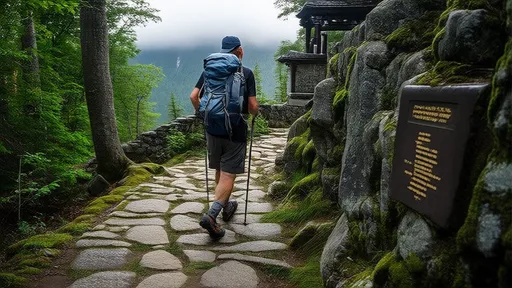
The Huihang Ancient Road, connecting the historical Huizhou region in Anhui province to Hangzhou in Zhejiang, is a testament to the ingenuity and determination of ancient Chinese merchants. Primarily used during the Ming and Qing dynasties, this route was a vital artery for the transport of tea, ink, and other goods from the mountainous interior to the bustling commercial centers. Today, it offers a relatively accessible yet deeply rewarding trek through some of East China's most stunning scenery, including verdant bamboo forests, mist-shrouded peaks, and traditional villages that seem frozen in time.
In stark contrast, the Tea Horse Road represents an altogether grander and more arduous undertaking. This is not a single path but a vast, sprawling network of trails crisscrossing the formidable landscapes of Southwest China, Tibet, and extending into South Asia. For centuries, it facilitated the exchange of Tibetan horses for Chinese tea, a trade so crucial it shaped the economies and cultures of entire regions. Trekking even a section of this route is to follow in the footsteps of caravans that braved high-altitude passes, raging rivers, and some of the most remote terrain on earth. The sense of scale and history is simply overwhelming.
Planning Your Huihang Ancient Road Trek
The classic Huihang trek is often tackled in two to three days, covering a distance of approximately 20 to 25 kilometers. The most popular and scenic section runs from Xuxi Village in Anhui to Yonglai Village in Zhejiang. The best times to undertake this journey are undoubtedly spring and autumn. Spring brings the landscape to life with blooming wildflowers and vibrant green foliage, while autumn offers clear, crisp air and spectacular displays of golden and red leaves, making the mountainous vistas truly unforgettable. Summers can be hot, humid, and prone to sudden thunderstorms, while winter, though starkly beautiful, brings cold temperatures and the possibility of ice on the higher sections of the trail.
Given the trail's popularity, planning your accommodation in advance is highly recommended. While it's possible to complete the trek in a long, strenuous day, staying overnight allows you to soak in the atmosphere. Basic guesthouses and homestays are available in villages along the route, such as at the halfway point on Blue Peak Ridge. These offer a unique opportunity to experience local hospitality and home-cooked meals. For those who prefer self-sufficiency, designated camping areas exist, but it is crucial to confirm their availability and any regulations beforehand. Always pack out everything you pack in.
Navigating the Tea Horse Road
Attempting the Tea Horse Road requires a completely different level of preparation. This is not a marked recreational trail but a historical network, and conditions can vary from well-trodden paths to barely visible tracks. Selecting a specific section is the first and most critical step. Popular trekking segments include the routes around Tiger Leaping Gorge in Yunnan or the paths leading into the Tibetan Plateau from Sichuan. Due to the high altitude, remote nature, and potential logistical complexities, many trekkers find it essential to hire a local guide or join an organized tour. A reliable guide ensures not only your safety but also provides invaluable cultural context, arr permits for restricted areas, and helps with language barriers in remote villages.
The window for trekking on the Tibetan Plateau is narrow, limited primarily to the months of May, June, September, and early October. During this period, you are most likely to encounter stable weather with clear skies. The summer monsoon season brings heavy rain that can trigger landslides and make trails treacherous, while winter is bitterly cold with many high passes sealed by snow. Acclimatization to altitude is non-negotiable. Spend at least two to three days in a town at moderate elevation before starting your trek to avoid acute mountain sickness. Your fitness level must be high, as you will be carrying a pack for multiple days over challenging terrain with significant elevation changes.
Essential Gear and Preparation
Your kit can make or break your journey. For both routes, sturdy, broken-in hiking boots are your most important piece of equipment. Blisters on the first day can ruin a week-long trek. A comfortable, well-fitted backpack, a reliable weatherproof jacket, and moisture-wicking clothing are fundamental. For the Huihang Road, you can travel relatively light, but on the Tea Horse Road, you must be prepared for rapidly changing conditions. This means packing layers for cold nights at high altitude, a high-quality sleeping bag rated for sub-zero temperatures, and a durable tent if you are not planning to use guesthouses.
Navigation tools are critical, especially on the Tea Horse Road. While parts of the Huihang trail are well-signposted, always carry a detailed physical map and a compass as a backup to your GPS device or smartphone. Power banks are essential, as opportunities to recharge will be scarce. A basic first-aid kit should include supplies for treating blisters, cuts, and gastrointestinal issues, as well as medication for altitude sickness. Purification tablets or a portable water filter are mandatory for safely drinking from streams and rivers. Finally, always pack more high-energy snacks than you think you'll need—nuts, dried fruit, and protein bars are invaluable for maintaining energy levels.
Cultural Respect and Sustainable Trekking
Walking these ancient paths is a privilege. You are a guest in landscapes that hold deep spiritual and practical significance for local communities. Tread lightly and respectfully. This means staying on established trails to prevent erosion, never disturbing religious sites like mani stone piles or prayer flags, and avoiding loud noises that disrupt the profound silence of these sacred spaces. Always ask for permission before taking photographs of local people, especially in Tibetan regions where many may decline.
The principle of "Leave No Trace" is paramount. Every piece of litter you generate must leave with you. This includes biodegradable waste like fruit peels, which can introduce non-native seeds and take a very long time to decompose in cold, high-altitude environments. Support the local economy by purchasing supplies and handicrafts from village shops and staying in family-run guesthouses. Your journey should leave a positive impact, contributing to the preservation of these incredible cultural landmarks for the trekkers who will follow in your footsteps. Prepare thoroughly, respect the past, and embrace the challenge. The rewards will far outweigh the effort.

By /Aug 22, 2025

By /Aug 22, 2025

By /Aug 22, 2025

By /Aug 22, 2025

By /Aug 22, 2025

By /Aug 22, 2025

By /Aug 22, 2025
By /Aug 22, 2025

By /Aug 22, 2025

By /Aug 22, 2025

By /Aug 22, 2025

By /Aug 22, 2025
By /Aug 22, 2025
By /Aug 22, 2025

By /Aug 22, 2025

By /Aug 22, 2025
By /Aug 22, 2025
By /Aug 22, 2025
By /Aug 22, 2025