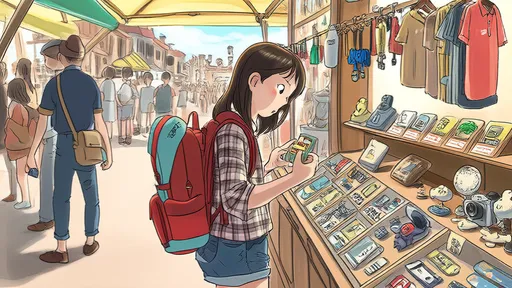
Every traveler knows the magnetic pull of souvenir shops. There’s something undeniably enticing about bringing a piece of your journey back home—a tangible memory to hold onto long after the trip has ended. Yet, for every beautiful, meaningful keepsake, there are countless others that end up forgotten in a drawer, broken in transit, or worse, confiscated at customs. The art of souvenir shopping isn’t just about finding something you like; it’s about discerning what is truly worth your money, your luggage space, and the memories attached to it.
Let’s start with the most classic of travel missteps: the cheap, mass-produced trinket. You’ve seen them in every airport, train station, and tourist hotspot around the globe. Think miniature plastic Eiffel Towers, poorly printed t-shirts, or snow globes featuring desert landscapes. These items are almost universally poorly made, often break before you even get them home, and carry no authentic connection to the place you’ve visited. They are the definition of empty calories in the world of travel mementos. Purchasing them supports an industry of generic tourism rather than local artisans or unique cultural expressions. You’re better off taking a great photograph and saving your euros, dollars, or yen for an experience instead.
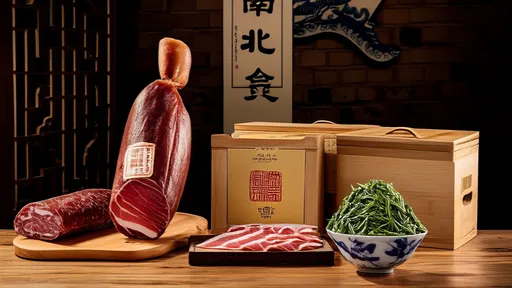
Another category that consistently disappoints is consumable goods, particularly those that are highly perishable or have dubious origins. We’ve all been tempted by the exotic street food or the local cheese at a bustling market. While enjoying these on location is a core part of the travel experience, attempting to pack them for a journey home is a recipe for disaster. Cheese can spoil and stink up your entire suitcase, fresh fruit is almost always confiscated by agricultural customs officials, and jars of mysterious sauces have a notorious habit of leaking. Even non-perishable snacks, while a safer bet, are often consumed within days of returning home, leaving you with nothing but a memory of a taste—and an empty wrapper.
Then there are the souvenirs that are not just a poor choice but an ethically or legally problematic one. This is a critical area where many well-intentioned travelers stumble. Items made from endangered species, such as ivory, tortoiseshell, coral, or certain animal skins, are not only unethical to purchase but are also illegal to bring into most countries. Customs agencies are strict about these materials, and attempting to import them can result in hefty fines and the confiscation of the item. Similarly, ancient artifacts or antiquities, even if they are being sold openly in a market, should never be purchased. Their removal from their country of origin is often illegal and contributes to the erosion of cultural heritage. A genuine souvenir should never come at the cost of ecological damage or historical plunder.
We must also talk about the sheer impracticality of many large or fragile items. That beautiful, hand-painted ceramic vase from Portugal or the ornate wooden mask from Bali might look stunning in the shop, nestled perfectly in the local environment. The reality of getting it home, however, is a nightmare of bubble wrap, anxious prayers, and excess baggage fees. Even if it survives the journey, it often arrives to find it doesn’t fit your home’s aesthetic at all, becoming a clunky reminder of a logistical headache rather than the beautiful memory you intended. Size and fragility are two of the most important filters to apply when considering a purchase.
Beyond the physical object, consider the memory itself. The most overrated souvenir might be the one you feel obligated to buy for everyone back at the office. This leads to rushed, bulk purchases of low-quality keychains, magnets, or other generic knick-knacks that mean nothing to you or the recipient. The act of gift-giving is wonderful, but it should be thoughtful. A single, small, genuine item for someone who would truly appreciate it is far better than a bag full of forgettable clutter that screams, "I had to buy something for you." Your real gift to them is your presence back home and the stories you share, not a mass-produced token.
So, what’s the alternative? The value of a souvenir lies in its story, its authenticity, and its personal connection. Instead of a cheap trinket, seek out a small piece of art from a local artist. Forego the cumbersome vase and opt for a beautiful textile, like a scarf or table runner, that is easy to pack and usable at home. Skip the questionable consumables and buy a high-quality, packaged spice blend or a bottle of local wine or spirit (check your customs allowances first!). The best souvenirs are often intangible: a digital photo album, a new recipe you learned in a cooking class, or the memory of a concert you attended. These things occupy no space in your luggage but are forever etched in your mind.
Ultimately, being a savvy souvenir shopper is about shifting your mindset. It’s not about collecting things; it’s about collecting moments. The most worthwhile souvenirs are those that evoke the feeling of a place every time you look at them or use them. They are functional, beautiful, ethical, and deeply personal. They are not bought out of obligation but out of genuine desire. By avoiding the common pitfalls of worthless, problematic, or impractical purchases, you ensure that your travel mementos remain cherished treasures, not regrettable clutter. Your future self—and your luggage—will thank you for your discretion.
By /Aug 22, 2025

By /Aug 22, 2025

By /Aug 22, 2025
By /Aug 22, 2025
By /Aug 22, 2025

By /Aug 22, 2025

By /Aug 22, 2025

By /Aug 22, 2025

By /Aug 22, 2025
By /Aug 22, 2025

By /Aug 22, 2025

By /Aug 22, 2025

By /Aug 22, 2025

By /Aug 22, 2025

By /Aug 22, 2025

By /Aug 22, 2025

By /Aug 22, 2025

By /Aug 22, 2025
By /Aug 22, 2025