When it comes to exploring China's regional specialties, few journeys are as rewarding as tracing the origins of its most iconic food and drink offerings. From the smoky, savory depths of Xuanwei ham to the delicate, vegetal notes of West Lake Longjing tea, these products are not just commodities—they are cultural artifacts, representing centuries of tradition, craftsmanship, and local pride. For the discerning traveler or gourmand, knowing where and how to buy these items at their source can transform a simple purchase into an unforgettable experience.
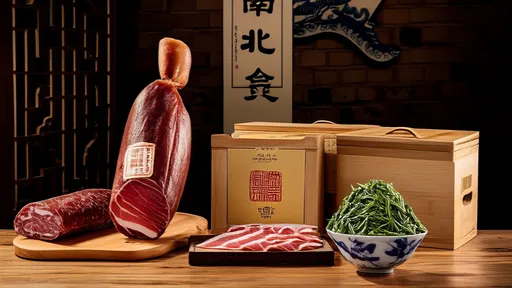
Let’s begin in Yunnan Province, home to the legendary Xuanwei ham. This cured delicacy has been produced for over a century in the city of Xuanwei and its surrounding areas, where the unique climate—cool, dry winters and mild summers—creates ideal conditions for air-drying and aging pork. The ham is made from a specific local breed of pig, fed on a diet of potatoes and radishes, which contributes to its distinct marbling and rich flavor. When purchasing Xuanwei ham, it’s essential to seek out reputable producers or specialized shops in the region. Many families in Xuanwei have been crafting ham for generations, and buying directly from them or from trusted local markets ensures authenticity. Look for hams that are firm to the touch, with a deep reddish-brown color and a pleasant, smoky aroma. Avoid products that seem overly salty or have an off smell, as these may be of inferior quality or improperly cured.
Traveling east to Zhejiang Province, we encounter another jewel in China’s culinary crown: West Lake Longjing tea. Grown in the hills around Hangzhou’s West Lake, this green tea is celebrated for its flat, slender leaves, jade-green liquor, and a flavor profile that balances sweetness with a subtle, chestnut-like roast. Longjing tea is traditionally harvested in early spring, with the pre-Qingming (before April 5) crop considered the finest. To acquire genuine West Lake Longjing, visitors should head to the tea plantations in villages like Meijiawu, Longjing, and Shifeng, where they can not only purchase tea but also witness the processing methods firsthand. Many farms offer tours and tastings, allowing buyers to appreciate the tea’s quality before making a selection. When buying, pay attention to the appearance of the leaves—they should be uniform in size and color, with no signs of broken pieces or yellowing. The aroma should be fresh and inviting, with no mustiness. It’s also advisable to buy from established tea houses or certified producers to avoid counterfeit products, which are unfortunately common due to the tea’s high demand and prestige.
While Xuanwei and West Lake are standout examples, China’s landscape is dotted with numerous other regions, each boasting their own signature specialties. For instance, in Sichuan Province, the city of Pixian is renowned for its doubanjiang (fermented broad bean paste), a fundamental ingredient in Sichuan cuisine. The best doubanjiang is aged for years in earthen jars under the sun, developing a complex, umami-rich flavor. Visiting Pixian allows one to explore traditional fermentation workshops and sample various aged versions. Similarly, in Guangdong Province, the city of Xinhui is the heart of chenpi (dried tangerine peel) production. High-quality chenpi, aged for decades, is highly prized for its use in teas, soups, and medicinal preparations. Xinhui’s local markets and specialized shops offer a range of options, from young peels to rare, vintage batches.
Understanding the cultural and historical context of these regional products enriches the buying experience. Xuanwei ham, for example, is not just a food item but a part of Yunnan’s ethnic heritage, often featured in festivals and family celebrations. Similarly, West Lake Longjing tea is deeply intertwined with Hangzhou’s history, having been praised by emperors and poets alike. When you purchase these items at their source, you’re not only getting a superior product but also supporting local economies and preserving traditional practices. Engaging with producers, hearing their stories, and learning about their methods adds a layer of meaning to your acquisition, transforming it from a transaction into a connection with place and people.
For those planning a culinary pilgrimage, timing your visit to coincide with local festivals or harvest seasons can enhance the experience. In Xuanwei, the annual Ham Festival showcases the best producers and offers opportunities to taste and learn about different curing techniques. In Hangzhou, the spring tea harvest season (late March to early April) is a vibrant time when the tea villages are bustling with activity, and fresh Longjing is readily available. Additionally, many regions now offer agritourism experiences, where visitors can participate in harvesting or processing activities, further deepening their appreciation for the product.
In conclusion, sourcing regional specialties like Xuanwei ham and West Lake Longjing tea directly from their places of origin is a rewarding endeavor that combines gastronomic excellence with cultural immersion. By prioritizing authenticity, engaging with local producers, and appreciating the stories behind these iconic products, you can ensure that your purchases are not only of the highest quality but also meaningful souvenirs of your journey through China’s diverse and rich culinary landscape.

By /Aug 22, 2025

By /Aug 22, 2025

By /Aug 22, 2025
By /Aug 22, 2025

By /Aug 22, 2025

By /Aug 22, 2025

By /Aug 22, 2025

By /Aug 22, 2025

By /Aug 22, 2025

By /Aug 22, 2025
By /Aug 22, 2025

By /Aug 22, 2025

By /Aug 22, 2025

By /Aug 22, 2025
By /Aug 22, 2025

By /Aug 22, 2025

By /Aug 22, 2025

By /Aug 22, 2025
By /Aug 22, 2025