There is something undeniably magical about the way scent can transform a space, evoking memories and crafting an atmosphere of pure comfort. While the market is flooded with expensive candles, diffusers, and synthetic room sprays, a growing number of home enthusiasts are rediscovering a beautifully simple and natural alternative: the art of bread-scent home fragrance. This method, a delightful twist on an old baker's secret, involves using your kitchen oven to slowly warm aromatic ingredients, most famously cinnamon, to perfume your entire home with a warmth that feels both nostalgic and utterly inviting.
The principle is as straightforward as it is effective. Instead of burning a scent, which can often alter its profile with a smoky note, the technique relies on the gentle, consistent heat of an oven set to a very low temperature. This low-and-slow approach works by coaxing the essential oils out of spices, citrus peels, herbs, or vanilla beans without burning them. The result is a pure, potent, and authentic aroma that gradually wafts through your living spaces, mimicking the heartwarming effect of baking without the actual confection. It’s a form of olfactory alchemy that turns your kitchen into the source of ambient comfort.
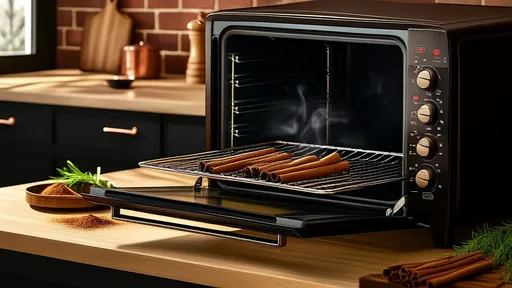
For the quintessential autumnal or winter scent, cinnamon is the undisputed champion of this method. Its rich, spicy, and sweet volatile oils are perfectly suited for release through heat. To begin, take several cinnamon sticks—the quality does matter here, so seek out true Ceylon cinnamon if you can for a more complex and less harsh scent—and perhaps a few teaspoons of whole cloves or a nutmeg, lightly crushed. Arrange them on a simple baking sheet lined with parchment paper. Some practitioners like to add a cup of water to the tray to create a slight steam, which helps carry the scent and prevents any possibility of the spices scorching, though this is not strictly necessary at very low temperatures.
The crucial step is the oven temperature. This is not a roasting process; it is a sublimation. Set your oven to its lowest possible setting, typically somewhere between 150°F (65°C) and 200°F (95°C). The goal is to create a warm environment that encourages the spices to release their fragrance over time, not to cook them. Place the baking sheet on the middle rack and simply let the oven do its work. Within fifteen to twenty minutes, the first notes will begin to escape, and soon after, a rich, spicy aura will start to permeate your home. It’s the scent of holiday gatherings, of crisp mornings, and of unconditional warmth.
The beauty of this technique lies in its versatility and safety. Unlike an unattended candle or a pot on the stove that might boil dry, the low oven temperature presents a minimal fire hazard. However, as with any use of a heating appliance, it should not be left completely unattended for extended periods. It is a practice best employed when you are at home, moving about, perhaps reading a book or tidying up, so you can enjoy the evolving fragrance and periodically check on it. After an hour or two, you will likely find the potency begins to wane. At this point, you can turn the oven off, but the residual heat will continue to work its magic for a while longer, and the scent will linger delightfully for hours.
While cinnamon is the classic, the canvas for this natural perfumery is limited only by your imagination and your spice cabinet. For a bright, clean, and uplifting citrus burst, combine thin strips of orange, lemon, or grapefruit peel with a few springs of rosemary. The citrus oils will sparkle alongside the piney, herbaceous notes of the rosemary. For a deeply soothing and cozy vibe, try vanilla. Slice a vanilla pod in half lengthwise to expose the precious seeds inside, place it on your tray, and let its creamy, sweet essence fill the air. Apple slices paired with cinnamon and a dash of brown sugar can create the unmistakable aroma of apple pie, a surefire way to make any house feel like a home.
This practice is more than just a cheap alternative to store-bought air fresheners; it is a mindful ritual. It connects us to the simple, tangible elements of our environment—the rough bark of a cinnamon stick, the oily zest of a citrus fruit, the wrinkled promise of a vanilla bean. In a world saturated with complex, multi-component artificial scents, the bread-scent method offers a return to simplicity and authenticity. The aroma it produces is not a single, overpowering note designed to mask odors, but a harmonious, evolving bouquet that becomes a part of your home’s atmosphere.
Furthermore, it is an incredibly economical way to achieve a high-end olfactory experience. A bundle of cinnamon sticks from a local market or bulk food store is far less expensive than a similarly scented luxury candle and will provide many, many hours of fragrance. It is also a zero-waste endeavor, as the spent spices and peels can be composted after their fragrant duty is done, completing a natural cycle without a trace of plastic packaging or synthetic residue.
So, the next time you feel the desire to make your home feel a little more welcoming, to craft an ambiance of warmth and comfort, consider bypassing the store shelf. Pre-heat your oven to its lowest setting, reach for the cinnamon, and prepare to engage in the oldest form of perfumery. You will be rewarded with a scent that is not only beautiful but also tells a story—a story of warmth, of nature, and of the simple joy found in a home that smells truly, wonderfully lived-in.

By /Aug 20, 2025
By /Aug 20, 2025
By /Aug 20, 2025

By /Aug 20, 2025

By /Aug 20, 2025

By /Aug 20, 2025

By /Aug 20, 2025
By /Aug 20, 2025
By /Aug 20, 2025
By /Aug 20, 2025
By /Aug 20, 2025
By /Aug 20, 2025

By /Aug 20, 2025
By /Aug 20, 2025
By /Aug 20, 2025

By /Aug 20, 2025

By /Aug 20, 2025

By /Aug 20, 2025

By /Aug 20, 2025
By /Aug 20, 2025