Summer Bayberry Pest Control: Actual Measurement of Saltwater Soaking Ratio and Time

Aug 20, 2025 By

Summer brings the sweet delight of fresh bayberries, but with them often comes the unwelcome surprise of tiny pests hidden within the fruit. Many enthusiasts and home growers have turned to saltwater soaking as a trusted method to cleanse these succulent berries. This practice, passed down through generations, is both simple and effective, yet the specifics of salt concentration and soaking duration often remain a topic of debate. Through hands-on experimentation and careful observation, we delve into the nuances of this technique to provide clear, actionable insights.

The presence of small insects or larvae in bayberries is not uncommon, especially in organically grown varieties where pesticide use is minimal. These pests, while generally harmless if accidentally consumed, can be off-putting and affect the overall enjoyment of the fruit. Saltwater soaking leverages the principle of osmosis: the salt solution creates a hypertonic environment that draws out moisture and irritates the pests, compelling them to evacuate the fruit. This method is favored for its non-toxic nature and accessibility, requiring only water and common table salt.

To begin our tests, we selected fresh, ripe bayberries from a local orchard, ensuring they exhibited typical signs of potential pest presence—slight softness and visible tiny holes. We prepared several batches of saltwater solutions with varying concentrations: 3%, 5%, 7%, and 10% salt by weight. Each batch was dissolved in room-temperature water, as extreme temperatures might damage the fruit's texture. The berries were gently submerged to avoid bruising, and we observed them at intervals of 5, 10, 15, and 20 minutes.

At the 3% concentration, minimal activity was noted even after 20 minutes. A few pests emerged, but the majority remained nestled within the berries. This dilution, while safe for the fruit's integrity, proved insufficient for thorough cleansing. Moving to the 5% solution, we observed a significant improvement. Within 10 minutes, numerous small insects and larvae began to float to the surface, and by the 15-minute mark, the water was visibly clouded with debris. The berries themselves retained their firmness and vibrant color, showing no adverse effects from the soak.

The 7% solution acted more rapidly, with pests emerging within the first 5 minutes. After 10 minutes, the water was densely populated with escaped insects, and the berries appeared clean. However, upon tasting, we detected a slight salty residue on the fruit's skin, which might alter the natural sweet-tart flavor if not rinsed thoroughly. Extending the soak to 15 minutes caused the berries to absorb more salt, slightly compromising their taste and making them less ideal for immediate consumption without extensive rinsing.

At the highest concentration of 10%, the results were dramatic but concerning. Pests were expelled rapidly, within 3-5 minutes, but the high salt content began to affect the berries' cell structure. After 10 minutes, the fruit started to soften and lose some of its juiciness, and the salty penetration was pronounced, necessitating multiple rinses to make the berries palatable. This level, while effective for pest removal, risks degrading the quality of the bayberries if not monitored closely.

Based on these observations, the optimal balance for effective pest removal without compromising fruit quality lies at a 5% salt concentration with a soaking time of 10 to 15 minutes. This combination efficiently coaxes out the majority of pests while preserving the berry's texture, flavor, and nutritional value. It is crucial to use room-temperature water to avoid shocking the fruit, and gentle agitation during soaking can help dislodge any stubborn insects. After soaking, the berries should be rinsed under cool running water to remove any residual salt or debris.

For those dealing with heavily infested batches, a slightly higher concentration of 7% for no more than 10 minutes can be used, but immediate and thorough rinsing is essential to prevent salt absorption. Always inspect the berries after soaking; if pests are still visible, a second short soak at 5% can be applied, though this is rarely necessary. Avoid exceeding 15 minutes total soak time, as prolonged immersion can lead to mushiness and flavor loss.

This method not only ensures safer consumption but also aligns with natural, chemical-free food practices. By understanding the science and fine-tuning the process, bayberry lovers can enjoy their seasonal treat with confidence and peace of mind. Remember, the goal is to enhance your culinary experience without sacrificing the fruit's inherent qualities—a little patience and precision go a long way in achieving that perfect, pest-free batch.
Recommend Posts
Food

Tender Stir-Fried Pork Slices: Marinate with Starch and Egg White, Quick Stir-Fry in Hot Pan

By /Aug 20, 2025

In the bustling kitchens of Chinese households and restaurants alike, there exists a culinary secret that transforms humble slices of meat into ethereal, melt-in-your-mouth delicacies. This technique, perfected over centuries, hinges on a simple yet profound principle: the marriage of starch and egg white in a pre-cooking marinade, followed by the fierce, rapid kiss of heat in a wok. It is this very method that bestows upon dishes like Tender Stir-Fried Pork Slices their signature, almost magical tenderness, a texture so prized it has become a hallmark of skilled Chinese cooking.
Food

Noodle Cooking Water Ratio: 1.5 Liters for 100 Grams of Noodles for Non-Sticky Results

By /Aug 20, 2025

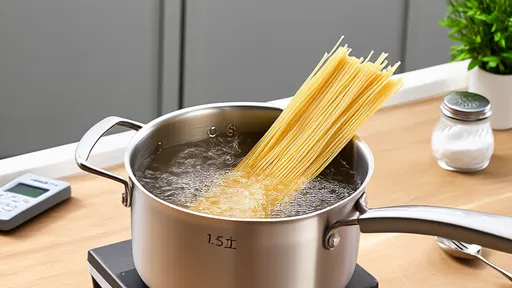
In the quiet hum of kitchens worldwide, a culinary revolution is brewing, one pot of water at a time. For generations, the act of boiling pasta has been relegated to a simple, almost thoughtless step—a mere prelude to the saucing and seasoning. A pot, some water, a pinch of salt, and a hopeful dash into bubbling oblivion. The result? Too often, a clumpy, sticky, or even gummy disappointment that no amount of rich ragù or fragrant pesto can truly salvage. The hidden culprit behind these textural tragedies is rarely the quality of the semolina or the brand of the pasta; it is, almost universally, a profound and widespread misunderstanding of the most fundamental element: the water itself.
Food

Garlic Peeling Technique with Microwave: High Heat for 10 Seconds, Skin and Flesh Separate Easily

By /Aug 20, 2025

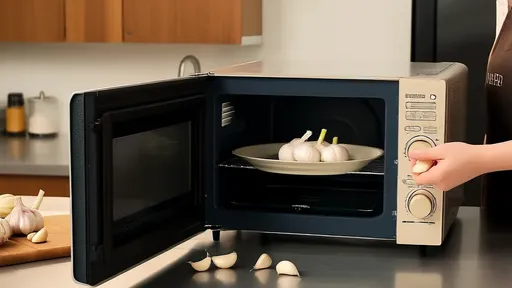
In the quiet hum of modern kitchens, a revolution is brewing, one ten-second burst at a time. For decades, the humble garlic clove has been a source of minor frustration for home cooks and professional chefs alike. The stubborn, papery skin clings with a tenacity that seems disproportionate to its delicate nature, leading to sticky fingers, crushed cloves, and the occasional flick of a peeling fragment across the room. We’ve tried crushing it with the flat of a knife, shaking it violently in a jar, and soaking it in warm water, all with varying degrees of success and mess. But what if the solution has been sitting on our countertops all along, humming quietly, waiting for its moment to shine? The microwave, that bastion of quick reheating and defrosting, holds a secret power: the ability to transform the tedious task of peeling garlic into an act of effortless magic.
Food

Frozen Grapes as Natural Ice Cubes: Chilling Drinks Without Dilution"

By /Aug 20, 2025

As the mercury rises and the sun beats down, the quest for the perfect chilled beverage becomes a daily pursuit. While ice cubes have long been the standard solution, they come with a significant drawback: dilution. As they melt, they water down the very drink they are meant to cool, leaving you with a weak, lackluster version of your original cocktail, iced coffee, or fruit juice. This has led many to seek out alternatives, and one of the most ingenious and delicious solutions has been hiding in plain sight in the produce aisle: the humble grape.
Food

Homemade Brine Formula: 50g Spices for 2 Pounds of Meat, Aromatics for Everything

By /Aug 20, 2025

In the world of home cooking, few techniques are as revered and yet as misunderstood as the art of braising with a master spice blend. Across countless kitchens, aspiring cooks have been intimidated by complex recipes, obscure ingredients, and the elusive promise of that perfect, restaurant-quality depth of flavor. They invest in expensive pre-made packets, follow convoluted instructions, and are often left with a result that is either blandly underwhelming or overpoweringly bitter. The quest for the perfect pot of braised meat, it seems, is fraught with culinary peril.
Food

Hot Pot Oil Dish Knowledge: Garlic Paste Thickness Determines Cooling Effect

By /Aug 20, 2025

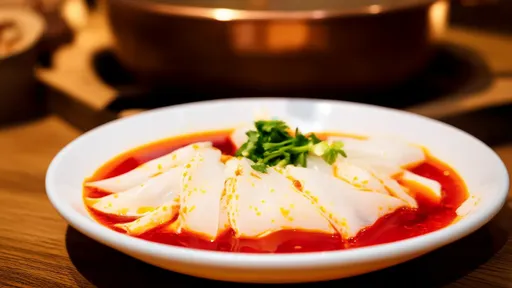
The sizzle of hotpot broth echoes through the restaurant, a percussive backdrop to the clinking of bowls and murmured conversations. Steam rises from crimson cauldrons, carrying the intoxicating aroma of Sichuan peppercorns and chili oil. Each diner, armed with long chopsticks, engages in the ritual of dipping thinly sliced meats and vibrant vegetables into the bubbling liquid. Yet, the true maestro of this symphony of flavors is not the pot itself, but the small, seemingly humble condiment bowl sitting beside each plate—the oil dip. And within this miniature canvas of culinary artistry, one ingredient reigns supreme, not just for its pungent kick, but for a hidden, scientific purpose: garlic paste. Its preparation, specifically the thickness of its mud-like consistency, is an unspoken law, a delicate variable that holds the key to taming the fire of the broth.
Food

Winter Cabbage Storage Inspection Mantra: Weekly Check, Eat from Outside In

By /Aug 20, 2025

As autumn’s crisp air settles and winter looms on the horizon, households across northern regions engage in a time-honored tradition: the storage of Napa cabbage. This practice, deeply rooted in culinary necessity and cultural heritage, ensures a supply of fresh vegetables through the barren cold months. Among the various techniques passed down through generations, one stands out for its practicality and wisdom—the weekly inspection and the method of consuming from the outside in. This approach is not merely about preservation; it embodies a philosophy of resourcefulness, sustainability, and respect for nature’s bounty.
Food

Summer Bayberry Pest Control: Actual Measurement of Saltwater Soaking Ratio and Time

By /Aug 20, 2025

Summer brings the sweet delight of fresh bayberries, but with them often comes the unwelcome surprise of tiny pests hidden within the fruit. Many enthusiasts and home growers have turned to saltwater soaking as a trusted method to cleanse these succulent berries. This practice, passed down through generations, is both simple and effective, yet the specifics of salt concentration and soaking duration often remain a topic of debate. Through hands-on experimentation and careful observation, we delve into the nuances of this technique to provide clear, actionable insights.
Food

Rice Cooker Cake: Wait 25 Minutes After the Cooking Button Pops Up, Success

By /Aug 20, 2025

In the quiet hum of a modern kitchen, an unexpected alchemy takes place. The rice cooker, that steadfast sentinel of grains and steam, has been quietly moonlighting as a confectionery wizard. Across countless home kitchens, a curious and delightful trend has taken root: baking a cake not in a traditional oven, but within the familiar stainless-steel bowl of an electric rice cooker. The method is disarmingly simple, yet its success hinges on a single, crucial, and often misunderstood step: after the cook button pops up, you must let it be. You must walk away and allow the residual heat to work its magic for a full twenty-five minutes. This is not a suggestion; it is the secret.
Food

Remedying Over-Salted Dishes: Add a Few Potatoes to Absorb Excess Salt

By /Aug 20, 2025

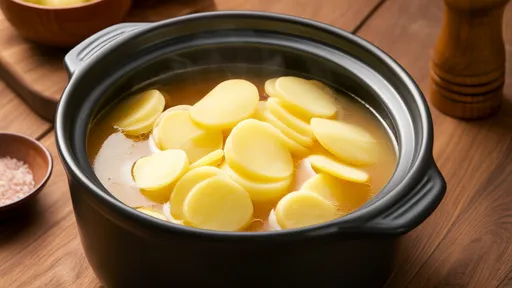
In the bustling rhythm of modern kitchens, a dash too much salt can transform a lovingly prepared meal into a culinary misadventure almost instantly. That moment of realization—a spoonful of soup or a bite of stew revealing an overwhelming salinity—is a universal kitchen quandary that has plagued home cooks and professional chefs alike for generations. It’s a mistake as old as cooking itself, yet its solution has often felt just as ancient and, at times, equally mythical. From diluting with water, which can sadly wash away flavors, to adding sugar or acid as a counterbalance, the quest for redemption is a delicate dance on the edge of ruining a dish entirely.
Food

Selecting Broad Bean Paste: Prefer Bottles with Red Oil Layer Over 1/3

By /Aug 20, 2025

In the bustling markets of Sichuan, where the air hums with the scent of chili and spice, a quiet yet profound wisdom has been passed down through generations of culinary artisans: the secret to exceptional doubanjiang lies not just in its ingredients or fermentation time, but in a simple, visual cue—the crimson layer of red oil that crowns the jar. This rich, fragrant oil, a byproduct of the meticulous fermentation of broad beans and chilies, is more than mere topping; it is the soul of the paste, a concentrated essence of flavor and aroma. Among connoisseurs and seasoned chefs, an unwritten rule prevails: a premium doubanjiang must boast a red oil layer occupying at least one-third of the container. This isn't mere tradition; it is a testament to quality, a marker of depth, and a gateway to the umami-rich complexities that define Sichuan cuisine.
Food

Water Rationing Dishwashing Solution: Wet Wipes + Baking Soda for Grease Removal

By /Aug 20, 2025

In the quiet hum of household management, few disruptions are as universally frustrating as an unexpected water outage. Whether due to municipal maintenance, infrastructure failure, or unforeseen emergencies, the sudden absence of running water brings daily routines to a grinding halt. Among the most immediate and greasy challenges is the pile of dirty dishes accumulating in the sink. The conundrum of cleaning without a steady stream of water seems insurmountable, a puzzle that demands both ingenuity and practicality. It is within this domestic dilemma that a surprisingly effective and elegantly simple solution has emerged from the pantries of the resourceful: a powerful duo of wet wipes and baking soda.
Food

Auntie's Secret for Picking Lotus Roots: Use 9-Hole for Stews, 7-Hole for Cold Dishes

By /Aug 20, 2025

In the bustling morning markets across China's culinary landscape, a piece of wisdom has been passed down through generations of vegetable vendors and home cooks alike—a succinct yet profound guideline for selecting the perfect lotus root. "Nine holes for stewing, seven holes for cold dishes," the seasoned market aunties advise with the authority of experience, their fingers deftly pointing out the subtle differences between varieties that might otherwise escape the untrained eye. This isn't mere folklore; it is a distillation of practical knowledge, a key to unlocking the full potential of an ingredient cherished in Asian cuisines for its unique texture and mild, starchy sweetness.
Food

Charred Rescue Action: Insert Fresh Bread Slices to Absorb Odd Smells

By /Aug 20, 2025

In the quiet moments of a Sunday morning, as the scent of burnt toast drifts from the kitchen, many home cooks face a familiar dilemma. The charred remains of what was meant to be breakfast stare back, a culinary misstep that feels both trivial and frustrating. Yet, within this common household accident lies an opportunity to explore one of the most charming and practical kitchen hacks passed down through generations: the use of fresh bread to rescue a meal from the brink of disaster.
Food

Bread Aromatherapy: Low-Temperature Roasting Cinnamon Fills the House with Fragrance"

By /Aug 20, 2025

There is something undeniably magical about the way scent can transform a space, evoking memories and crafting an atmosphere of pure comfort. While the market is flooded with expensive candles, diffusers, and synthetic room sprays, a growing number of home enthusiasts are rediscovering a beautifully simple and natural alternative: the art of bread-scent home fragrance. This method, a delightful twist on an old baker's secret, involves using your kitchen oven to slowly warm aromatic ingredients, most famously cinnamon, to perfume your entire home with a warmth that feels both nostalgic and utterly inviting.
Food

The Art of Baozi Pleats: 16-18 Folds for Aesthetics and Even Cooking

By /Aug 20, 2025

In the intricate world of Chinese cuisine, where tradition and technique intertwine, the humble baozi—steamed bun—holds a place of quiet reverence. Beyond the filling, beyond the dough, lies an art form often overlooked by the casual diner: the pleat. To the untrained eye, these folds are merely decorative, a pretty pattern sealing the savory contents within. But for the master chef, the number of these pleats is a silent language, speaking volumes about skill, tradition, and the very science of cooking. The pursuit of the perfect pleat count, most notably the revered 16 to 18 folds, is a discipline that elevates a simple snack into a culinary masterpiece.
Food

Mushroom Selection in Rainy Season: Only When the Cap is Not Fully Opened is Fresh Enough

By /Aug 20, 2025

As the rainy season blankets the forests with a damp, earthy embrace, foragers and culinary enthusiasts alike turn their attention to one of nature’s most cherished gifts: the shiitake mushroom. Among the many varieties of edible fungi, shiitake holds a place of honor, prized not only for its rich, umami flavor but also for its nutritional benefits. However, not all shiitake mushrooms are created equal. The secret to selecting the finest, most tender specimens lies in a simple yet crucial detail—the cap should not be fully expanded. This characteristic is a telltale sign of freshness, tenderness, and superior quality, making it an essential guideline for anyone looking to enjoy shiitake at its best.
Food

Three Virtues Knife: Multipurpose Demonstration for Slicing, Chopping Bones, and Peeling

By /Aug 20, 2025

In the bustling world of culinary arts, where specialized tools often crowd kitchen drawers, the santoku knife emerges as a remarkable exception. With its origins deeply rooted in Japanese tradition, this versatile blade has transcended cultural boundaries to become a global icon of efficiency and precision. Its name, translating to "three virtues" or "three uses," hints at its multifaceted nature, though many chefs would argue its capabilities extend far beyond that modest description. The santoku isn't merely a knife; it's a philosophy of minimalism meeting maximum functionality, a single instrument designed to handle the vast majority of kitchen tasks with grace and power.
Food

Don't Throw Away Spinach Roots: Clean and Marinate for a Refreshing Side Dish

By /Aug 20, 2025

In the quiet hours of morning markets across continents, a small revolution is taking place in the produce aisles. Shoppers with discerning eyes are bypassing the pristine, pre-packaged greens and heading straight for the often-overlooked bunches of spinach with their roots still clinging to the soil. These market-goers have discovered what many culinary traditions have known for centuries: the humble spinach root, typically destined for the compost bin or trash can, holds within its fibrous texture a surprising gastronomic potential.
Food

Noise Reduction Tips for Blender: Use Rubber Anti-slip Mats

By /Aug 20, 2025

In the bustling modern kitchen, where the whir of appliances forms the soundtrack to our culinary adventures, the high-performance blender has earned its place as an indispensable tool. From crafting silky smooth soups to pulverizing frozen fruit into creamy delights, its power is unmatched. However, this very power often comes with a significant and unwelcome byproduct: noise. The piercing, grinding roar can disrupt households, startle pets, and make early morning or late-night healthy concoctions a source of guilt rather than joy. For many, the quest for quieter blending has become a kitchen priority, leading to a search for simple, effective solutions that don't require a degree in acoustical engineering.